

- Best for
- Adults with dry, rough skin on arms and legs
- Routine place
- After showering
- Frequency
- 10% lotion: once or twice daily
- Keep in mind
- Ask a doctor about bumps on a child’s face
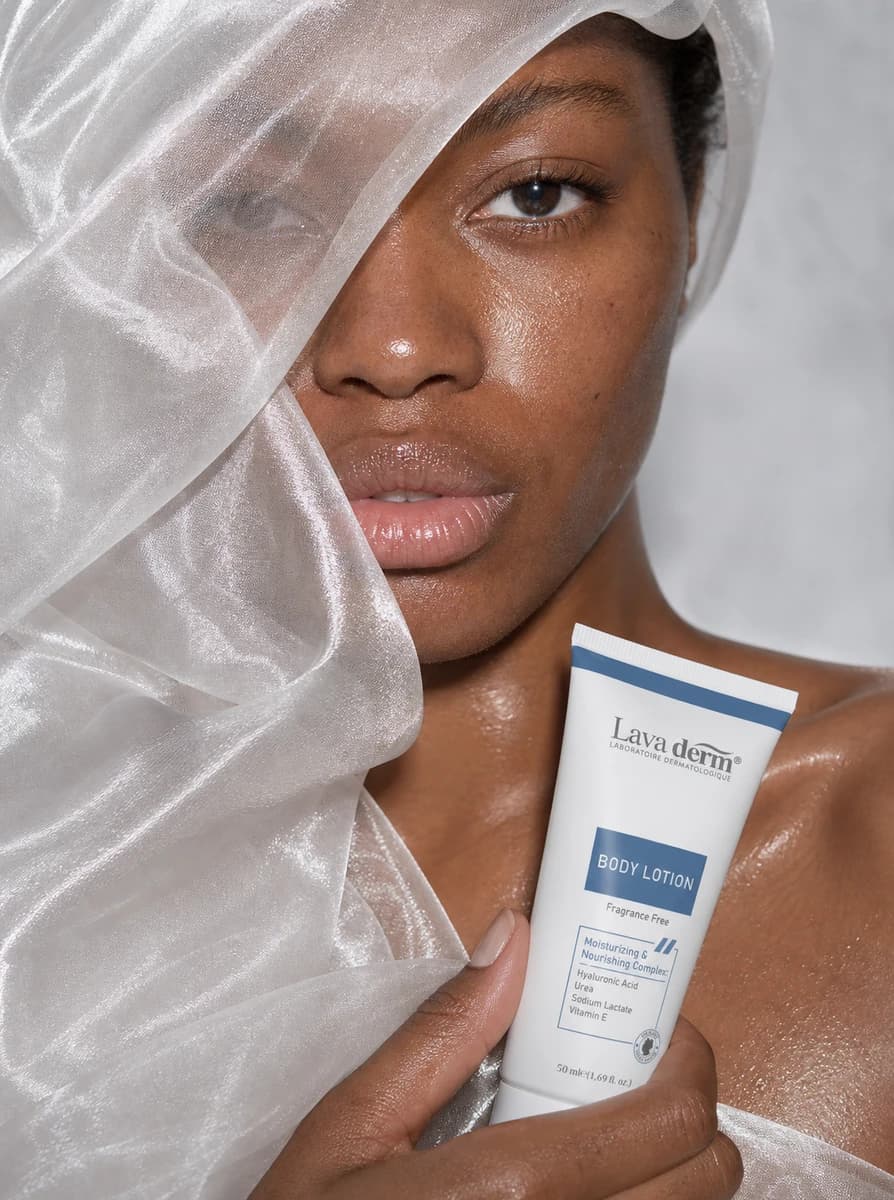
Small, rough bumps on your upper arms, thighs, or legs are often keratosis pilaris, a common, harmless condition called chicken skin. For moisturizing and softening rough body skin, choose Lava Derm Urea 10% Lotion for very dry areas or Lava Derm Body Lotion for everyday moisture. Keep showers short and lukewarm, skip hard scrubbing, and ask a doctor about painful, spreading, or very itchy bumps.
Key points
- A bumpy texture does not mean your skin is dirty.
- Keep the routine simple enough to repeat every day.
- Check where a product belongs before reaching for a higher urea percentage.
Why do rough bumps appear on upper arms?
Keratin is a substance found in your skin, hair, and nails. When it collects at the openings of hair follicles, it can form tiny plugs that feel rough. That is what happens in keratosis pilaris. It can run in families, and you cannot catch it from someone else.
Upper arms and thighs are common places to notice it, though bumps can appear elsewhere on the legs too. They may look skin-colored, reddish, or darker than the surrounding skin. Winter and dry air can make the texture more noticeable. Still, a description cannot identify every rash, so get unfamiliar bumps checked.
Choosing a cream for rough, bumpy body skin
Start with how your skin feels: very dry and rough, or simply in need of everyday moisture? Aim for a softer, smoother feel. A cosmetic lotion does not permanently remove the bumps, and choosing one does not replace getting an uncertain rash checked.
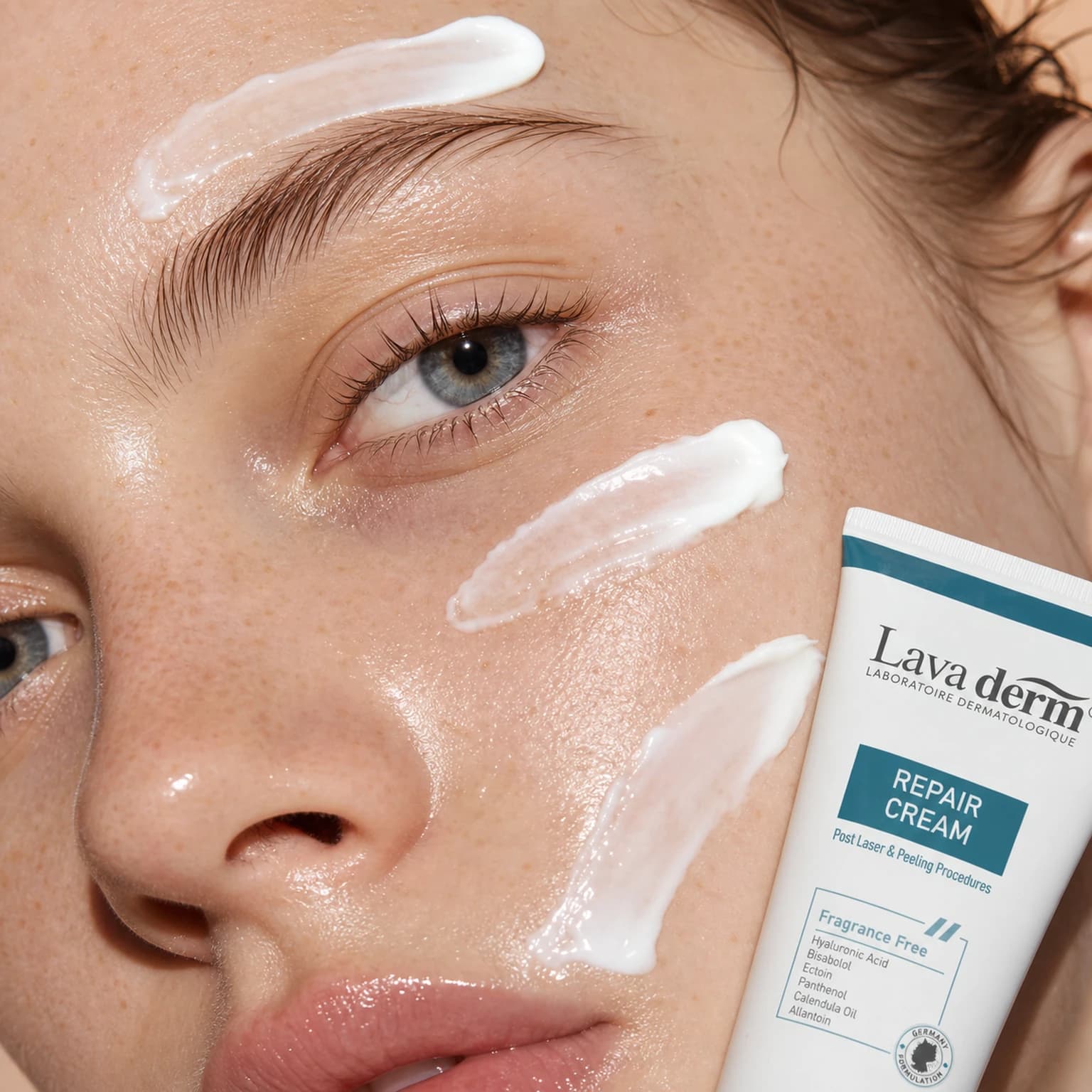
Both lotions are fragrance free and contain urea. The 10% lotion also contains hyaluronic acid and ceramides; the everyday body lotion includes sodium lactate and hyaluronic acid. You do not need to build a separate serum routine around those ingredients. Choose the body moisturizer that matches your dryness and follow its directions.
| What you notice | Choice | Its job |
|---|---|---|
| Very dry, rough arms or legs | Lava Derm Urea 10% Lotion | 10% urea for moisture and a softer, smoother feel |
| Arms, legs, elbows, or knees needing everyday moisture | Lava Derm Body Lotion | Daily moisturizing and softening |
| Broken skin, pain, or a spreading rash | See a doctor first | Find out the cause before choosing a lotion |
A small routine after your shower
Take a short, lukewarm shower with a mild, unperfumed body cleanser. Pat with a towel instead of rubbing. Before spreading a new lotion over a large area, test it on a small patch first to see how your skin responds. Keep the bottle where you will remember it after bathing.
For the 10% lotion, cleanse and pat the skin dry. Apply to dry areas on your arms, legs, or trunk, then massage until absorbed. Use once or twice daily. If you choose the everyday body lotion, apply nightly while skin is slightly damp; reapply during the day on very dry spots if needed.
Leave the rough scrub out of the routine
It can be tempting to squeeze each bump or keep rubbing until the surface feels flat. The NHS warns that harsh scrubbing can make things worse. Leave the bumps alone rather than picking, scratching, or scraping them. Long, hot showers are another habit to change when your skin feels dry.
More frequent application and extra exfoliating products are not shortcuts. Going beyond a product’s directions can leave skin irritated. Wash off and stop a product if it causes burning, swelling, or a new rash. Keep lotion off open or infected cracks, and ask a pharmacist or doctor if the discomfort continues.
Think in weeks, not overnight changes
The American Academy of Dermatology advises contacting your dermatologist if a recommended care or treatment plan brings no improvement after 4–6 weeks. That is a point to review the plan, not a deadline for this lotion to work. Results vary, so avoid turning that range into a countdown to completely smooth arms.
Ask a simpler question: does your skin feel more comfortable and less rough? You do not need to count every bump. If regular care still leaves you bothered, write down what you use and how often before your appointment. That gives you something useful to discuss before buying another product or changing several things at once.
When itchy or red bumps need advice
Some itching can happen with this pattern, but do not dismiss itchy or inflamed skin as ordinary dryness. A pharmacist can help you choose moisture care. See a doctor if the bumps hurt, the rash is spreading, or you are unsure what it is. You do not have to diagnose it yourself before asking.
Have a doctor check bumps on a child’s face before trying your body routine there. If you are pregnant, breastfeeding, or applying a medicine to the same area, ask your doctor or pharmacist about your chosen product. Bring the packaging and explain when the bumps started and what you have already tried.
Keep after-shower care simple
You do not need to layer both lotions on the same area. Choose one for your moisture needs.
- 01
Cleanse
Take a short, lukewarm shower, cleanse gently, and avoid towel rubbing.
- 02
Focus (optional)
If this is your choice for very dry areas, follow the application steps on the pack.
Lava Derm Urea 10% Lotion - 03
Seal (optional)
If this is your everyday choice, apply to slightly damp skin.
Lava Derm Body Lotion
Questions, answered clearly
Can I use a keratosis pilaris body cream on my face?
Do not assume a body product also belongs on your face. Ask a pharmacist or dermatologist to help identify the bumps and choose care for that area. The 10% lotion discussed here is directed at body use.
Which keratosis pilaris cream can I use for a child?
Ask a doctor or pharmacist to choose a product for your child’s age and the affected area. Do not copy an adult body routine onto a child. If you are unsure what the rash is, have it checked first.
Can shaving my legs make the bumps worse?
Yes, it can: the AAD notes that shaving and waxing can trigger more bumps. Reconsider your hair-removal method if your skin feels worse afterward. Take care with products on freshly shaved, sensitive skin.