

- Best for
- Ordinary winter dryness on unbroken hand skin
- Routine place
- After hand hygiene, following the chosen cream’s directions
- Frequency
- 5% cream: once or twice daily. Vaseline Cream: as often as needed, especially after washing. Softline: morning and/or night
- Keep in mind
- Painful cracks, blisters, bleeding or recurring irritation need assessment
For dry cracked hands from washing, use Lava Derm Urea 5% Cream (light, fragrance free, once or twice daily) during the day and Lava Derm Vaseline Cream (reapply as often as needed, especially after washing) in the evening. Keep the washes you need, use lukewarm water and let sanitizer dry before cream. Wear insulating gloves outside and waterproof gloves for dishes and cleaning. Painful or open cracks need a pharmacist or doctor.
Key points
- Change avoidable heat, rubbing and wet exposure while keeping necessary hygiene.
- A routine you can repeat matters more than an occasional thick application.
- Compare the whole formula: Vaseline Cream is a blend, and Softline contains almond oil.
- Research wash counts describe groups; they are not a personal hygiene allowance.
Why dry cracked hands from washing feel worse in winter
Cold air outside, dry heated air indoors and repeated water at the sink and during cleaning add up. Soap and detergents strip the skin's natural oils, so hands feel tight and rough. Staying home does not help much, because heating, dishes and cleaning still dry them out.
Review your day: travel, handwashing, kitchen work and cleaning. Look for avoidable detergent contact between necessary washes, especially if winter dryness returns after household tasks.
What frequent-washing research can tell you
Higher washing and wet work are linked with more hand eczema, with low certainty. These figures show an association, not a limit to stay under.
Loh and Yew’s 2022 review combined studies that watched people’s habits; nobody was assigned a wash count. Many studies reported a related measure called an odds ratio, and the review counted it as the same thing. Because hand eczema was common in these groups, the figures can look bigger than the real difference. The 95% confidence interval is the range the true figure could plausibly fall in.
In this review, wet work meant liquids for more than 2 hours a day, closed protective gloves for more than 2 hours a day, or washing more than 20 times a day. Definitions still varied. The sanitizer figure mixes different use and frequency comparisons, and its range includes 1, so there is no clear link overall. One healthcare study that the review did not include in its calculation linked alcohol rub on wet skin with more symptoms.
Hand eczema: comparison figures, not personal risk
The line at 1 means no difference. A longer bar means a stronger link in the studies; it is not your personal risk.
Finish hygiene, then apply cream
Make moisture care easy to remember: leave the cream where you finish washing or use sanitizer. At home, regular soap-and-water washing remains necessary after toilet use and around food preparation.
Follow the directions on your cream: the 5% cream says pat dry, Vaseline Cream says pat completely dry. After sanitizer, wait until it has dried, then apply cream straight away. Cover backs, palms, fingers, fingertips and nail surroundings. Dry finger spaces after washing; keep cream out of wounds.
Choose the hygiene route, then the cream stage
At home, soap and water is the usual route. Use sanitizer when washing is unavailable; finish either route before cream.
Soap and water
Wet, apply soap and scrub all surfaces for at least 20 seconds, including between fingers and around nails. Rinse and gently dry.
Sanitizer
Use only when soap and water are not available, and not when hands are visibly dirty or greasy. Check for at least 60% alcohol, cover all surfaces with the label amount and rub until fully dry. Do not rinse or wipe early. In healthcare, follow the workplace rule instead: alcohol rub is preferred for most routine care.
Then moisturize
Apply a suitable cream promptly according to its label. Never mix cream into still-wet sanitizer. Before work gloves, complete hygiene and dry hands fully.
Choose Lava Derm care by formula and schedule
Urea, glycerin and hyaluronic acid help hold water in the outer skin; petrolatum and mineral oil reduce evaporation. Lava Derm products below moisturize and soften unbroken dry skin. Choose by ingredients, comfort and directions.
Try a small unbroken area before wider use. If you have allergies, read the full ingredient list on the pack. With a known almond allergy, ask a pharmacist or clinician to review Softline’s almond oil and the full label before use.
| Care preference | Product and caution | Application and frequency |
|---|---|---|
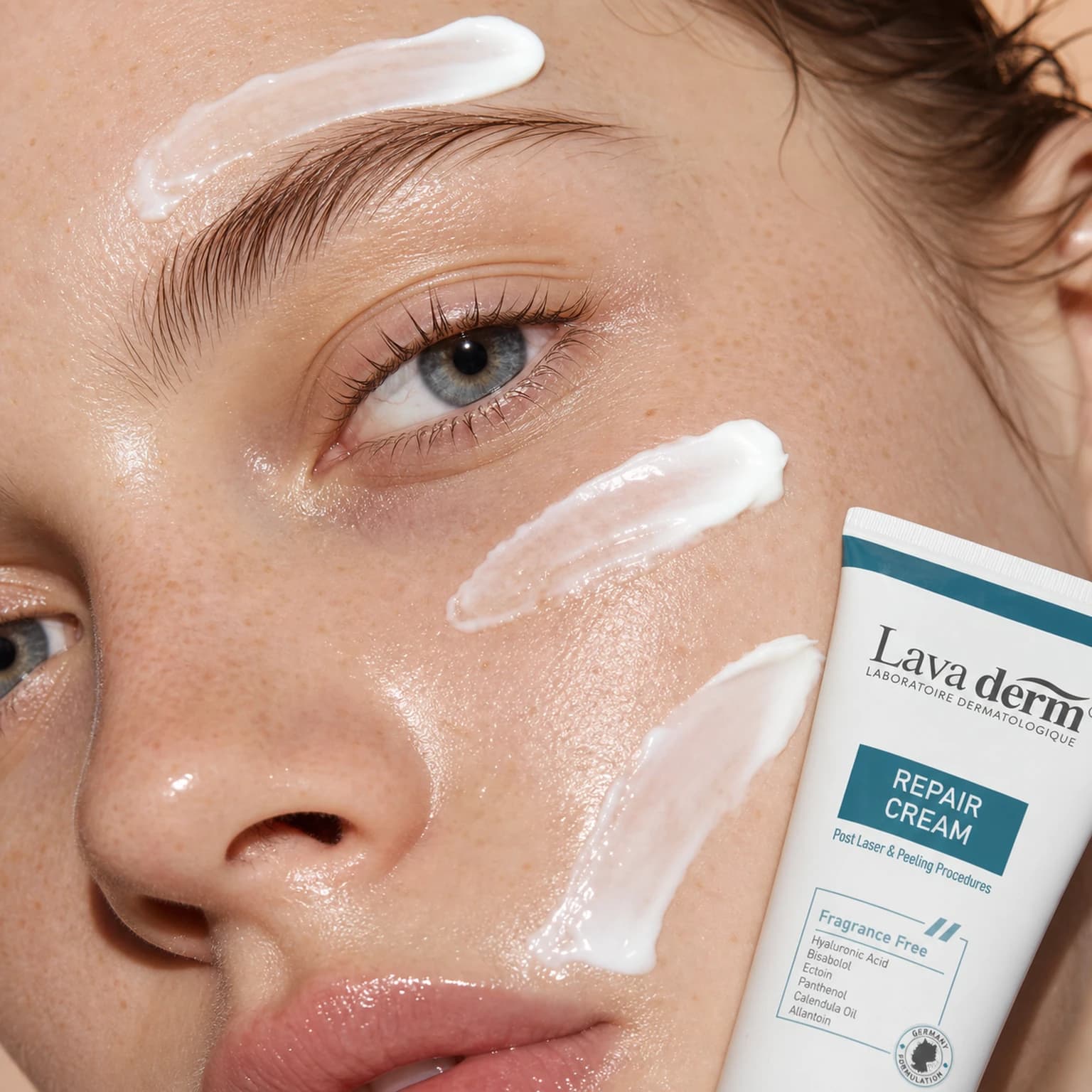
| Lightweight daily cream | Lava Derm Urea 5% Cream: 5% urea, hyaluronic acid, ceramides/lipids (skin fats), vitamin E and panthenol, a soothing ingredient. Fragrance free. Keep off broken or actively inflamed skin. Keep it off the eye area. | Cleanse and pat dry. Apply to hands and massage until fully absorbed, focusing on driest areas. Use once or twice daily. |
| Rich moisture-retaining cream | Lava Derm Vaseline Cream: petrolatum, liquid paraffin (mineral oil), glycerin and lanolin (wax from wool). A blend, not plain petroleum jelly. Avoid with known lanolin allergy. | Cleanse and pat completely dry. Warm a generous amount briefly between palms; massage until absorbed. Reapply as often as needed, especially after hand-washing or harsh weather. Use daily. |
| Nourishing morning or evening care | Lava Derm Softline Vitamin E+C: vitamins E and C, urea, almond oil and shea butter. Check the full label for the urea percentage and fragrance. Keep off broken or acutely inflamed skin. | After cleansing, apply a generous layer to hands or dry patches. Massage until completely absorbed. Use morning and/or night. |
Match your gloves to cold, cleaning or work
Trapped heat and sweat inside waterproof gloves can add irritation. Keep interiors clean and dry. ESCD recommends cotton liners for protective glove use over 10 minutes; change them when damp.
Clean cotton gloves at bedtime are optional for comfort over suitable moisturizer on unbroken skin. Avoid plastic wrapping or sleeping in waterproof gloves. Keep cream-marked gloves, clothes and bedding away from cigarettes and naked flames: moisturizer residue can make fabric burn more readily, and washing does not remove the risk completely.
| Task | Choose | Limits |
|---|---|---|
| Cold outdoors | Insulating winter gloves. | Warm fabric gloves are not a waterproof cleaning barrier. |
| Dishes and cleaning | Waterproof gloves appropriate to the detergent and task. | Cotton alone soaks through. Do not stay in sweaty gloves unnecessarily. |
| Healthcare or chemicals | Employer-specified protective gloves. | A cosmetic cream is not chemical protection. No universal glove material suits every task. |
Remove irritation you can avoid
For symptoms after cleaning or work, note the products and gloves involved to help a professional review exposures. Include hand wash, sanitizer, detergents and creams, not just the last product applied.
Do
- Keep necessary washes, use lukewarm water and pat dry instead of rubbing.
- Choose a tolerated finished formula and follow its application schedule.
- Complete required hygiene before and after glove use; gloves do not replace handwashing.
- Keep the full ingredient list when trying a new cream, so any reaction can be reviewed.
Avoid
- Very hot water, abrasive brushes, sugar scrubs or scraping off flakes.
- Putting cream into wounds or covering painful cracks with more product.
- Homemade lemon or vitamin-tablet mixtures. Citrus on skin followed by sun can cause a reaction.
- Using a cream wash that does not kill germs as hand disinfection.
Two shortcuts to reconsider
Separate the hygiene method you need from how comfortable a formula feels on your skin.
- “Sanitizer is always harsher than soap.” CDC clinical guidance describes alcohol hand rub as less drying than soap and water in most clinical situations. Stinging on damaged hands does not rank every formula; choose the hygiene route required for your situation.
- “Burning means it is working.” Burning does not measure moisturizing benefit. Urea can sting scratched or split skin. If a cream causes persistent burning, swelling or a new rash, stop using it and ask for advice.
When dryness needs a pharmacist or doctor
A pharmacist can review ingredients and suitable care; a clinician may need to check for hand dermatitis or another cause. Explain how symptoms affect sleep or work and bring your exposure notes.
On darker skin, irritated patches may look dark brown, purple, or gray, and not only bright red. The figures below describe people who had hand eczema that year, not local rates of winter dryness.
Hand eczema in the previous year: general-population review
- Had hand eczema during the previous year; 95% confidence interval: 8.4% to 9.8%.
- 9.1%
- People in 24 studies, mainly in Europe and Nordic countries.
- 301 293
A repeatable hand-care routine
Choose your cream by texture. You can use the daytime and evening options in the same day, each at its own frequency.
- 01
Cleanse
Complete the soap-and-water or sanitizer route appropriate to your situation.
- 02
Seal
Daytime: pat dry, apply once or twice daily, focusing on the driest areas.
Lava Derm Urea 5% Cream - 03
Seal
After washing and in the evening: pat completely dry, warm between your palms and massage until absorbed. Reapply as often as needed.
Lava Derm Vaseline Cream - 04
Protect
Choose insulating gloves outdoors or suitable waterproof gloves for cleaning, keeping the inside dry.
Questions, answered clearly
How many washes a day are too many if I have dry cracked hands from washing?
There is no universal safe ceiling. The review’s frequency groups are research comparisons, not a daily hygiene limit. Keep necessary washes and focus on gentler washing, appropriate gloves and label-directed moisture care.
Do cleaning gloves and cotton gloves do the same job?
No. Waterproof gloves keep water and detergent off your hands, but sweat builds up inside, so a cotton liner helps for longer jobs (more than 10 minutes, per ESCD). Cotton alone soaks through, so it is not for washing up. Clean cotton gloves over cream at bedtime are optional.
Should cream go on damp or dry hands?
Follow the cream you use. The 5% cream goes on after patting dry, and Vaseline Cream on completely dry hands.
Which cream suits dry hands in winter?
The lightweight, fragrance-free 5% urea cream goes on once or twice daily. Vaseline Cream can be reapplied as often as needed, especially after washing. Softline suits morning and/or night. Pick the texture you will actually use.
What if greasy hand cream makes me avoid using it?
Choose a daytime texture you are comfortable using and leave richer care for a convenient evening step. Keep the product visible and follow its own frequency instructions. Sleeping in cotton gloves is optional, not a requirement.
Sources and further reading
- Hand hygiene and hand eczema: a systematic review and meta-analysisLoh & Yew, Contact Dermatitis (2022)
- Prevalence, incidence, and severity of hand eczema in the general populationQuaade et al., Contact Dermatitis (2021)
- Prevalence and incidence of hand eczema in healthcare workersYüksel et al., Contact Dermatitis (2024)