
- Best for
- Facial redness or burning after new skincare
- Routine place
- Pause new products and simplify the routine
- Frequency
- Do not retry the product that caused a reaction
- Keep in mind
- Do not wait out severe or spreading symptoms
If your face turns red, stings, or burns after a new cream, lightening product, or peel, stop using it and rinse gently. Keep care short with familiar, comfortable products; swelling, blisters, eye symptoms, or a spreading rash need medical advice.
Key points
- Adding more products makes the cause harder to identify.
- A fragrance-free product can still disagree with your skin.
- Keep a photo of the reaction and a note of when it started.
What should you stop first?
Stop the new cosmetic product straight away. Gently rinse your face with lukewarm water, without scrubbing or using a brush to remove every trace. If skin feels uncomfortable, a clean, cool, damp cloth can serve as a light compress. Avoid rubbing it back and forth over the area.
Pause peels, gritty scrubs, retinol, and strong tone-evening products too. Do not add another acid to try to balance things out. If the reaction started with a prescribed product, contact your prescriber or pharmacist before applying it again so they can advise you about the next dose.
Note when you applied the product, how much you used, and what else was on your face that day. Keep the packaging. An ingredient list and a photo of the symptoms are useful when you ask for help, especially if several products entered your routine together.
Burning does not show that a product is working
A product can irritate the skin surface, and some people can have an allergic reaction to an ingredient. You cannot reliably tell these apart in a mirror. Do not treat redness or burning as a reason to push through and keep using something that is making your face uncomfortable.
A reaction may be immediate or delayed. A comfortable first application does not mean every later application will be comfortable. On darker skin, a color change may look brown, purple, or gray rather than bright red, so pay attention to stinging and swelling as well as color.
Redness after a lightening cream, or burning after a peel, is not evidence that dark marks are fading. Put comfort first. If you introduced several products together, bring the whole list when you ask for advice rather than deciding that one particular ingredient must be responsible.
Make your sensitive-skin routine shorter
For now, choose products your skin already finds comfortable. Lava Derm Dermo Wash is a soap-free option for the face and neck. Its directions are a small amount with lukewarm water, morning and evening, followed by thorough rinsing and patting dry. If it would be new to you, do not start testing it during a reaction.
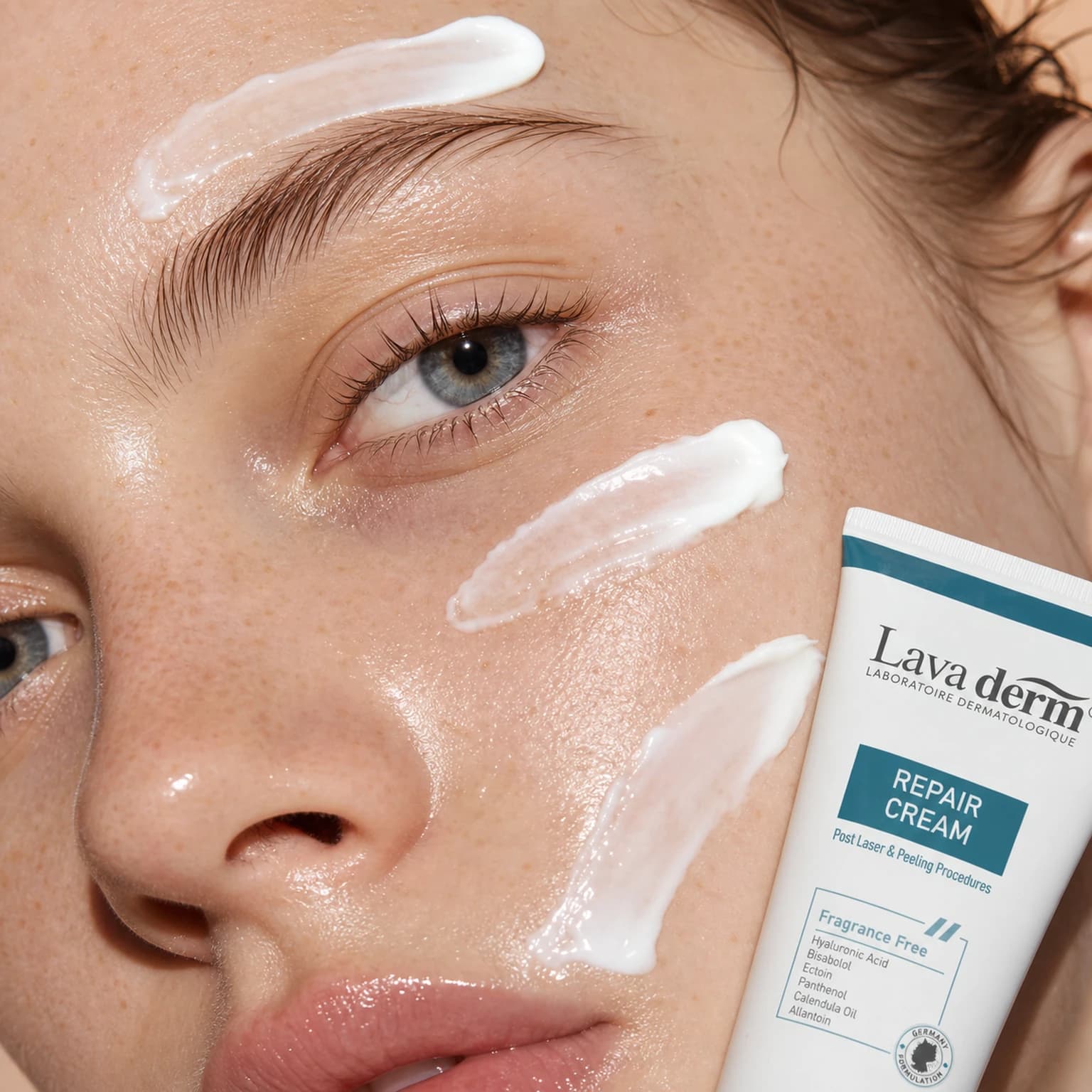
Lava Derm Anti-Redness is fragrance-free moisture care for dry, sensitive skin and a calmer-looking complexion. It contains niacinamide, bisabolol, allantoin, and hyaluronic acid. Lava Derm Repair Cream is another fragrance-free moisturizer for dry, tight-feeling skin. Choose one moisturizing step rather than layering both creams to try to hurry things along.
The choices below are for ordinary care once the reaction has settled. During the day, use a familiar, comfortable sunscreen and seek shade. If even moisturizer or sunscreen burns, ask a pharmacist for guidance instead of working through a series of new products on an already uncomfortable face.
Choose one moisturizer after skin settles
- Daily role
- Dry, sensitive skin and its redness-prone appearance
- How to use
- Thin layer morning and evening
- Daily role
- Dryness and a tight feel
- How to use
- Thin layer; reapply as needed
When can you restart, and how should you test?
Do not add a new product while your skin still burns, itches, or visibly peels. Once comfort returns, start with your familiar basics. Do not retry the suspected trigger yourself; discuss that decision with a pharmacist or doctor. There is no single restart date that fits every reaction.
Before trying a different new moisturizer on your face, test a small area first. AAD recommends the usual amount on the inner arm twice daily for 7 to 10 days. For rinse-off products, follow their labeled contact time; a face wash should not become an overnight leave-on product.
Add products separately. A home test does not diagnose an allergy, and repeated reactions may need a dermatologist’s patch testing. If the trial causes itching, redness, or swelling, wash the product off and stop. You do not need to finish the test period through symptoms to learn something useful.
When is it a doctor matter?
Get prompt medical advice for noticeable swelling, blisters, a spreading rash, or symptoms around the eyes. If the problem lasts for days or keeps returning, arrange an assessment rather than extending the wait. Severe symptoms deserve help at the start, without counting days to see whether they pass.
If product gets into an eye, follow the packaging and rinse with clean water. NHS eye-washing guidance recommends at least 20 minutes. Severe eye pain or a change in vision needs urgent eye care. Keep the container so the clinician can see exactly what entered the eye.
Seek immediate medical help for rapid worsening, discharge, increasing pain, or feeling unwell. Sudden swelling of the lips, tongue, or throat, or trouble breathing, means calling local emergency services. Do not try to cover these symptoms with a cosmetic cream or wait for a skin-care routine to work.
Care after the reaction settles
This routine is not first aid for an active reaction. Test new products separately.
- 01
Cleanse
Cleanse gently and rinse thoroughly.
Lava Derm Dermo Wash - 02
Seal
If you choose this moisturizer, apply a thin layer to the clean, dry face and neck morning and evening.
Lava Derm Anti-Redness
Questions, answered clearly
Can I use less lightening cream if it makes me red?
Stop first and assess how your skin is doing. Ask a pharmacist or doctor before retrying the product that caused the reaction, rather than assuming that a smaller amount solves the problem.
Which cream should I buy for redness after skincare?
Avoid immediately adding a new cream to a fresh reaction. Keep to a moisturizer you already find comfortable, and get the cause assessed if burning continues or swelling develops.
Should I stop if my face burns but is not red?
Yes, do not ignore clear or persistent burning. Color changes show differently across skin tones; rinse off the product, stop using it, and ask for advice if discomfort continues.